








Fabric glossary
Fabric & sewing glossary,
from bias to warp.
Selvedge? Nap? GSM? Every fabric and sewing word you'll meet on our product pages, explained in plain English. Search it, or jump straight to a letter.
New to sewing, or just met a word on a product page that made you squint? Here's our plain-English glossary of fabric and sewing terms. For a guide to fabric types and what they're used for, see Types of fabric: an A–Z guide.
B
- Bias
- The diagonal direction across fabric, at 45° to the selvedge. Fabric cut on the bias stretches and drapes beautifully, which is why it's used for bias binding and slinky slip dresses.
- Bi-stretch
- Fabric that stretches in both directions, lengthways and widthways. Also called two-way or four-way stretch. Ideal for dancewear and costumes. Browse bi-stretch fabric.
- Blackout lining
- A lining with a coated layer that stops light passing through. "3-pass" blackout has three coats for maximum light blocking, and many are thermal too. See how to line curtains.
- Bolt
- A length of fabric wound around a flat board or tube, as it arrives from the mill. Also called a roll.
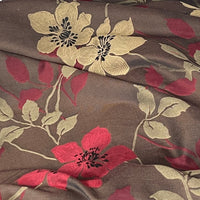
- Brocade
- A rich, heavy fabric with a raised pattern woven into it, often with a metallic sheen. Popular for curtains, cushions and occasionwear. Browse brocades.
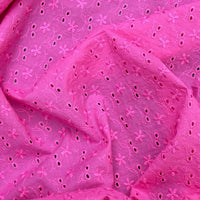
- Broderie anglaise
- Cotton fabric with embroidered eyelet holes, giving a fresh, summery look. Browse broderie anglaise.
C
- Calico
- A plain, unbleached cotton. Dressmakers use it for toiles (test garments) before cutting into their best fabric.
- Chenille
- A fabric with a soft, fuzzy pile made from tufted yarn. Cosy and hard-wearing for upholstery and throws.
- Chiffon
- A light, sheer fabric with a soft drape, used for blouses, overlays and scarves. Browse chiffon & crepe.
- Corduroy
- A cotton fabric with raised ridges called wales. The fewer the wales per inch, the chunkier the cord. Browse corduroy.
- Crepe
- A fabric with a slightly crinkled, matt surface and lovely drape, ideal for dresses and trousers.
- Cross grain
- The direction running across the fabric, from selvedge to selvedge, along the weft threads. It has a little more give than the straight grain.
D
- Denim
- A sturdy cotton twill, usually with a blue warp and white weft, used for jeans, jackets and bags. Browse denim.
- Directional print
- A print with a definite "up", such as animals or houses. Cut every piece the same way up, which usually means buying a little extra.
- Drape
- How a fabric hangs and falls. Chiffon and viscose drape fluidly; drill and canvas hold their shape.
- Drill
- A strong, tightly woven cotton twill, used for workwear, bags and home projects. Browse drill cotton.
F
- Fat quarter
- A quarter of a metre of fabric, cut as half a metre long by half the fabric's width, so it's a near-square rather than a long thin strip. A favourite with quilters.
- Felt
- A non-woven fabric made by pressing fibres together. It doesn't fray, so it's perfect for crafts. Browse felt.
- Fire retardant (FR)
- Fabric made or treated to resist catching fire. Upholstery for furniture sold in the UK has to meet fire safety rules. See our weights & widths guide for more.
- Fray
- When threads come loose at a cut edge. Finish raw edges with pinking shears, zigzag stitch or an overlocker to stop it.
G
- Grain
- The direction of the threads in a woven fabric. Patterns show a grainline arrow, which you line up with the selvedge so your garment hangs straight.
- GSM
- Grams per square metre: how heavy a fabric is. Higher GSM means heavier fabric. Read fabric weights explained.
H
- Handle
- How a fabric feels in your hand: soft, crisp, smooth, slippery and so on. Sometimes called "hand".
- Hem allowance
- The extra fabric added at a hem edge to fold up and stitch. Curtains usually need a deeper hem than clothes.
- Hessian
- A coarse, natural fabric woven from jute, used for crafts, bags and rustic decorations. Also called burlap. Browse hessian & jute.
I
- Interfacing
- A layer added inside collars, cuffs and waistbands to give them body. It comes in sew-in and iron-on (fusible) types.
- Interlining
- A soft, thick layer sewn between curtain fabric and lining to add insulation, fullness and a luxurious feel.
J
- Jacquard
- A fabric with a complex pattern woven in on a special loom, rather than printed on top. Brocade and tapestry are both jacquards.
- Jersey
- A knitted fabric with natural stretch, like a T-shirt. Comfortable and forgiving to fit. Browse lycra jersey.
L
- Lamé
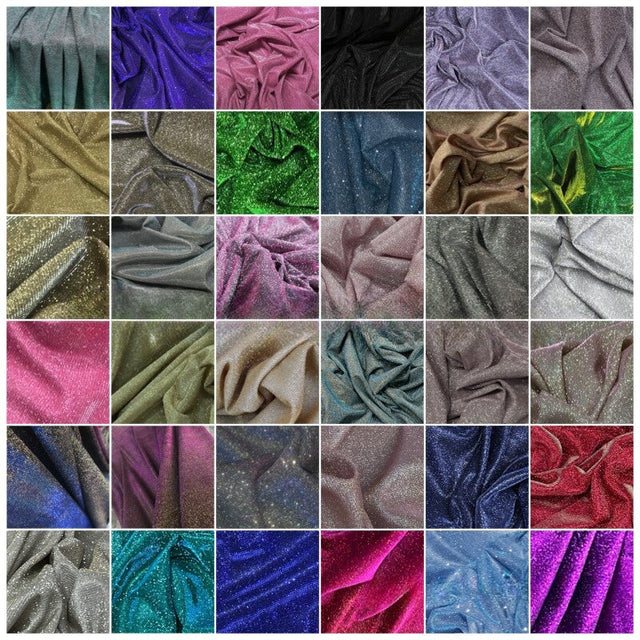
- A fabric woven or knitted with metallic threads for a high-shine finish, made for party wear and costumes. Browse lamé.
- Lawn
- A fine, lightweight, crisp cotton, lovely for summer blouses and children's wear.
- Lining
- A fabric sewn inside a garment or curtain to hide seams, help it hang and make it more comfortable. Dress linings are often anti-static.
M
- Martindale
- A rub test that measures how hard-wearing an upholstery fabric is. The higher the number, the more wear it can take. See Martindale ratings explained.
- Muslin
- A loosely woven, lightweight cotton, used for baby muslins, cheese cloths and toiles. Browse muslin.
N
- Nap
- A fabric with a nap (like velvet, corduroy or faux fur) looks different depending on which way you look at it, because the pile lies in one direction. Cut all pieces the same way up.
- Notions
- All the small extras a sewing project needs: zips, buttons, thread, elastic, interfacing and so on.
O
- Organza
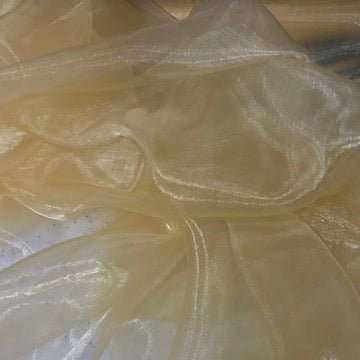
- A sheer, crisp fabric with a slight shimmer, used for overlays, bridal wear and decorations. Browse organza.
P
- Pattern repeat
- The distance before a printed or woven design repeats itself. For curtains and upholstery you need extra fabric to match the pattern across panels.
- Pile
- Raised fibres standing up from the base of a fabric, as on velvet, fleece and faux fur.
- Pilling
- Little bobbles that form on the surface of a fabric as it rubs. Gentle washing, inside out, helps prevent it.
- Pinking
- Cutting a raw edge with zigzag pinking shears to slow down fraying.
- Polycotton
- A blend of polyester and cotton: easy care, less creasing and good value. Browse polycotton, or compare in cotton vs polycotton.
- Poplin
- A smooth, tightly woven cotton with a crisp finish, great for shirts, dresses and quilting. Browse cotton poplin.
- Pre-shrinking
- Washing fabric before you sew so any shrinking happens before cutting. See our fabric care guide.
R
- Right side
- The "front" of the fabric, the side meant to be seen. The other side is the wrong side.
- Ripstop
- A fabric with a grid of thicker threads woven in, so small tears don't spread. Often waterproof. Browse ripstop.
S
- Sateen
- Cotton woven with a satin weave, giving it a soft sheen. Popular for bedding and curtain lining.
- Satin
- A weave that gives a glossy, smooth face and a duller back. Browse satin.
- Seam allowance
- The gap between the cut edge and the stitching line. Usually 1.5 cm on UK dressmaking patterns.
- Selvedge
- The tightly woven finished edges running down both sides of a fabric, so they don't fray. Our widths are measured as the usable width between them.
- Straight grain
- The direction running along the length of the fabric, parallel to the selvedge, along the warp threads. It has the least stretch.
T
- Taffeta
- A crisp, smooth fabric with a rustle and a sheen, used for ball gowns, bridal and party wear. Browse taffeta.
- Tapestry
- A heavy woven fabric with a picture or pattern built into the weave, for upholstery, cushions and bags. Browse tapestry.
- Toile
- A test version of a garment made in cheap fabric (often calico) to check the fit before cutting the real thing.
- Tulle
- A fine, light net used for tutus, veils and petticoats. Browse net & tulle.
- Twill
- A weave that creates fine diagonal lines on the surface, as in denim and drill. Strong and hard-wearing.
V
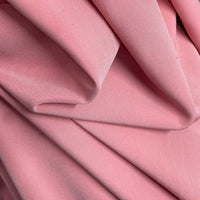
- Velvet
- A fabric with a short, dense pile that feels soft and looks rich. Crushed velvet has a pressed, shimmering texture. Browse velvet fabric.
- Viscose
- A soft, breathable fabric made from wood pulp, with a fluid drape. Lovely for dresses and blouses. Browse viscose.
- Voile
- A light, semi-sheer fabric used for net curtains, blouses and summer dresses. Browse voile.
W
- Wale
- One of the raised ridges on corduroy. "Needlecord" has very fine wales; "jumbo cord" has wide ones.
- Warp
- The threads running lengthways along a woven fabric, held tight on the loom.
- Weft
- The threads woven across the warp, from selvedge to selvedge.
- Width
- How wide the fabric is from selvedge to selvedge. Ours is listed on every product page. See fabric widths explained.
- Woven
- Fabric made by interlacing warp and weft threads at right angles, as opposed to knitted fabrics like jersey.
Still got a question?
Ask a human. We read every message.
Live chat is open 24 hours a day, 7 days a week, or email us and we'll usually reply within 30 minutes. Fabric questions are our favourite kind.