









Fabric care guide
Fabric care guide:
wash, dry, love it longer.
How to wash, dry and iron every kind of fabric we sell, what the care symbols mean, and whether to pre-wash before you sew. Your future self (and your fabric) will thank you.
Looked after properly, good fabric lasts for years. This guide covers how to wash, dry and iron each type of fabric we sell, what the symbols on care labels mean, and whether you should pre-wash before you start sewing. Where a product page gives its own care instructions, always follow those first.
🐂 Golden ruleIf in doubt: wash cool, skip the tumble dryer and test on a scrap first. It's much easier to wash at 30°C again than to un-shrink a dress.
Should I pre-wash fabric before sewing?
Usually, yes. Pre-washing shrinks the fabric before you cut it, removes any finishing from the mill, and shows you whether a colour is likely to run. Wash and dry it the same way you plan to wash the finished item.
- Always pre-wash: cotton, linen, viscose and anything you'll machine wash later, such as clothes, quilts, cushion covers and bedding.
- Pre-wash with care: dark or bright prints (wash on their own the first time, or with a colour-catcher sheet).
- Don't pre-wash: dry-clean-only fabrics, velvet, upholstery fabric, PVC, felt, sequins and faux fur. These are spot-cleaned or professionally cleaned instead.
Natural fibres such as cotton and linen can shrink by around 3–5% on the first wash, so order a little extra length if you plan to pre-wash. Our How much fabric do I need? guide suggests adding 10–15% for exactly this reason.
Care by fabric type
| Fabric | Washing | Drying | Ironing |
|---|---|---|---|
| Cotton & cotton poplin | Machine wash 30–40°C. Up to 60°C for whites and bedding. | Line dry, or tumble on low. | Hot iron while slightly damp. |
| Polycotton | Machine wash 30–40°C. | Line dry or tumble on low. Creases less than cotton. | Warm iron. |
| Linen | Machine wash 30–40°C, gentle cycle. | Line dry. Avoid hot tumble drying. | Hot iron while damp, on the reverse. |
| Viscose | Cool hand wash or 30°C delicate cycle. Don't wring. | Dry flat or on a hanger. | Warm iron on the reverse. |
| Satin, chiffon & crepe | Hand wash cool or 30°C delicate, in a wash bag. | Hang to dry, out of direct sun. | Cool iron on the reverse, with a pressing cloth. |
| Lycra & stretch jersey | 30°C gentle cycle, inside out. | Dry flat. Heat damages the stretch. | Cool iron if needed. Never iron the elastane hot. |
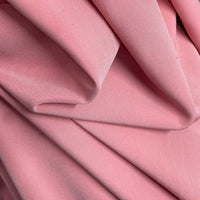
| Velvet & crushed velvet | Check the label. Many need dry cleaning or a cool hand wash. | Hang to dry. Never wring. | Don't press flat: steam from the reverse to lift the pile. |
| Fleece | 30°C, inside out. Skip fabric softener so it stays fluffy. | Line dry. It dries fast. | No iron needed (and best avoided). |
| Faux fur | Cool hand wash or spot clean. | Air dry, then brush the pile gently. | Never iron. |
| Felt | Spot clean with a damp cloth. | Air dry flat. | Cool iron under a cloth to flatten. |
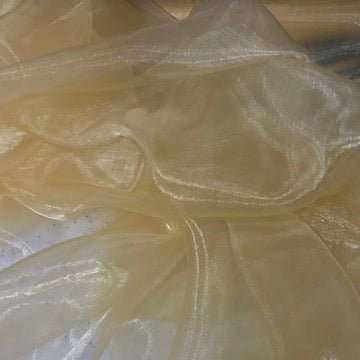
| Lace, net & tulle | Hand wash cool in a wash bag. | Dry flat. | Cool iron through a cloth, or steam. |
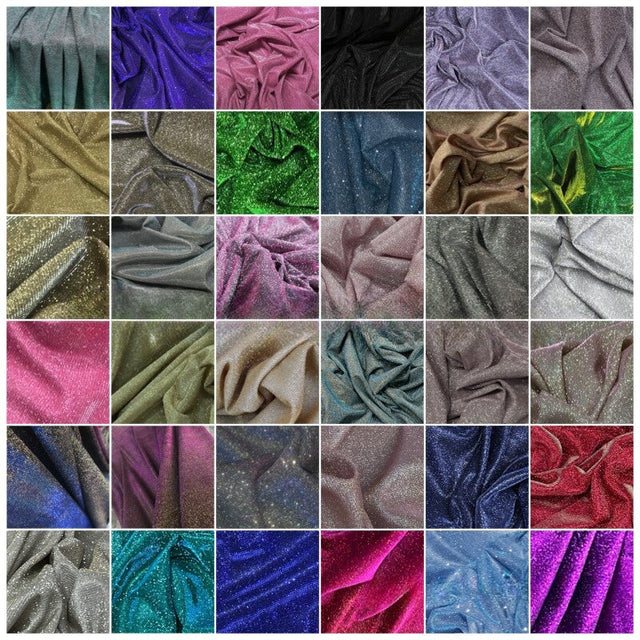
| Sequins & glitter | Cool hand wash, inside out, or spot clean. | Dry flat. | Don't iron the sequins. Press from the reverse on low if you must. |
| Wool blends | Wool cycle at 30°C, or dry clean. | Dry flat, away from heat. | Steam or warm iron through a damp cloth. |
| PVC & oilcloth | Wipe clean with warm soapy water. | Wipe dry. | Never iron. |
| Upholstery, tapestry & plush velvet | Vacuum regularly. Spot clean spills straight away. Professional cleaning for a deep clean. | Air dry. | Steam lightly if needed. |
Care label symbols explained
The little symbols on care labels follow an international system. Here's what they mean.
- 🫧 The washtub: washingDots show the maximum temperature: one dot 30°C, two dots 40°C, three dots 50°C, four dots 60°C. One bar underneath means a gentler (synthetics) cycle; two bars mean a very gentle (wool) cycle. A hand in the tub means hand wash only. A cross means don't wash.
- 🔺 The triangle: bleachingAn empty triangle means any bleach is fine. Two diagonal lines inside mean non-chlorine (oxygen) bleach only. A crossed-out triangle means no bleach.
- 🔲 The square: dryingA circle inside the square means tumble drying is OK: one dot for low heat, two dots for normal heat. A cross through it means don't tumble dry. Lines inside the square mean line dry (curved line), drip dry (three vertical lines) or dry flat (one horizontal line).
- ♨️ The iron: ironingOne dot means a cool iron (about 110°C), two dots a warm iron (about 150°C) and three dots a hot iron (about 200°C). A cross means don't iron.
- ⭕ The circle: dry cleaningA letter inside tells the dry cleaner which solvent to use (P, F or W). A crossed-out circle means don't dry clean.
- ✖️ Any crossWherever you see a cross through a symbol, skip that step altogether.
Quick stain and care tips
- Act fast: blot spills (don't rub) with a clean, damp cloth, working from the outside in.
- Test first: try any stain remover on a hidden spot or an offcut before using it on your project.
- Turn it inside out: washing prints, velvet, sequins and dark colours inside out helps them keep their colour and texture.
- Use a wash bag: delicate lace, chiffon and tulle snag less in a mesh laundry bag.
- Store it well: keep fabric rolled or folded loosely, away from direct sunlight, which can fade colours over time.
Fabric care FAQs
Will cotton fabric shrink?
It can, usually by around 3–5% on the first wash, which is why we recommend pre-washing cotton before you cut it.
Can I wash velvet?
Some velvets can be hand washed cool, but many are best dry cleaned or spot cleaned. Check the product page, and never iron velvet flat, as it crushes the pile. Steam it from the reverse instead.
How do I stop prints fading?
Wash inside out at 30°C with a detergent for colours, avoid overloading the machine, and dry out of direct sunlight.
Can I iron PVC or oilcloth?
No. Heat melts PVC. Wipe it clean instead, and if it has fold marks, leave it flat in a warm room for a day and they'll usually relax.
Still not sure how to care for your fabric? Ask us and we'll tell you how we'd look after it. Want to choose the right fabric in the first place? Read our fabric weights & widths guide or browse the fabric glossary.
Still got a question?
Ask a human. We read every message.
Live chat is open 24 hours a day, 7 days a week, or email us and we'll usually reply within 30 minutes. Fabric questions are our favourite kind.