










Velvet is the fabric everyone wants to wear in party season and the one plenty of sewists are nervous to cut into. It's soft, rich and catches the light beautifully, but it also has a reputation for slipping, shifting and showing every mistake. The good news is that velvet isn't difficult, it just plays by slightly different rules. Learn these and you can make a party dress, a cosy cushion or a pair of draught-busting curtains with confidence.
Why velvet behaves differently
Velvet has a pile: thousands of short, cut fibres standing up from the base fabric. That pile is what gives velvet its softness and sheen, and it's also behind most velvet headaches. Run your hand down the fabric one way and it feels smooth; run it the other way and it feels rougher and looks a different shade. Two layers of pile also grip each other, which is why velvet "walks" when you sew it. Once you understand the pile, every tip below makes sense.
Choosing the right velvet for your project
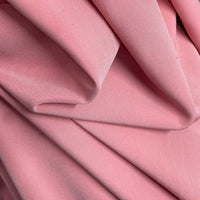
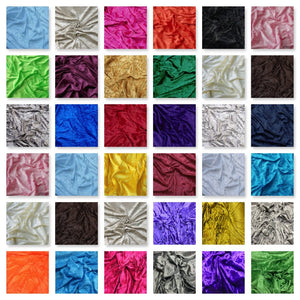
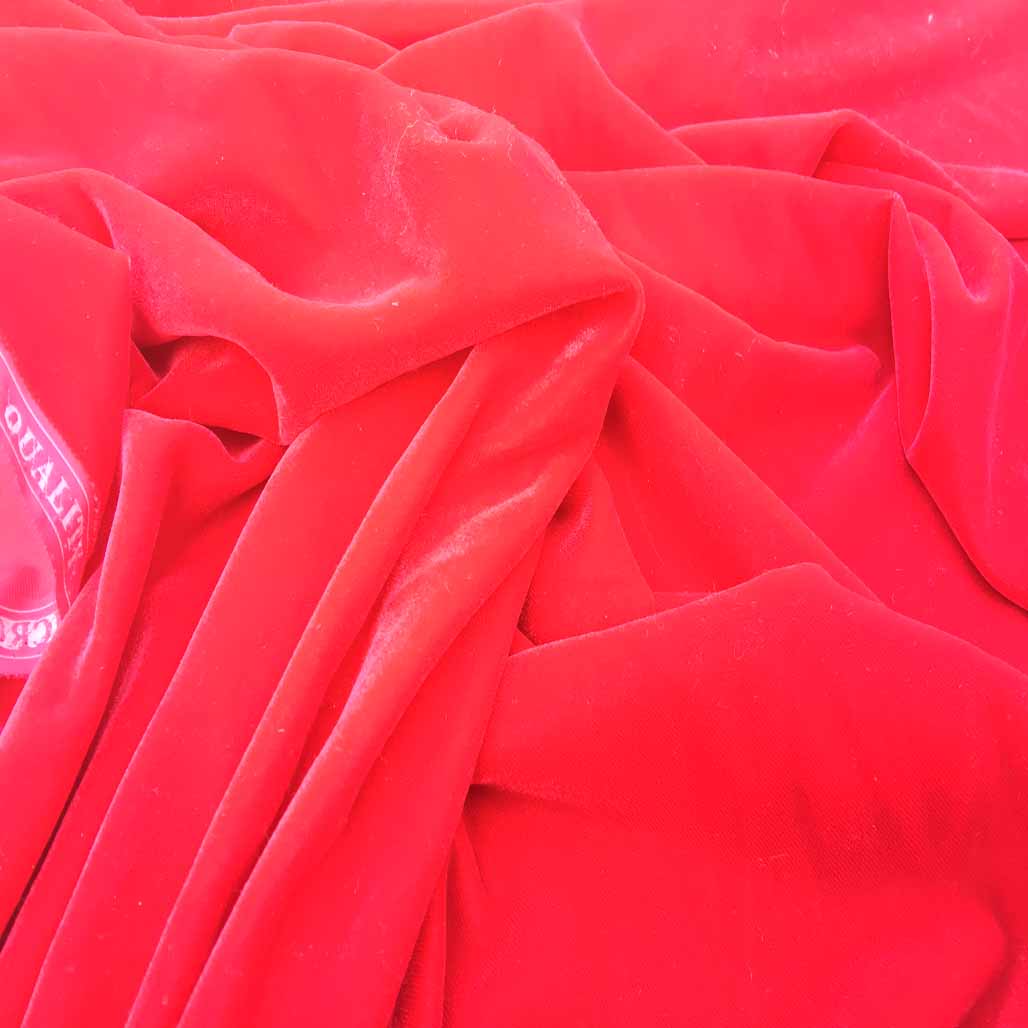
- For dressmaking: our Luxurious Triple Micro Velvet Dress Fabric is a medium-weight 200gsm velvet with a short pile, a distinctive sheen and a slight natural stretch that helps it drape. It's 112cm wide, machine washable at 30°C and £9.00 a metre, currently in stock in Red and Black, two classic party season shades.
- For curtains and cushions: Bellissimo Plush Velvet in Mint Green is a soft, luxurious 150cm-wide furnishing velvet, now £9.00 a metre (was £14.99). Prefer a neutral? The same velvet comes in Stone, also £9.00 (was £14.99). Bellissimo is dry clean only, so it's best for curtains, upholstery and cushions rather than clothes you'll wash often.
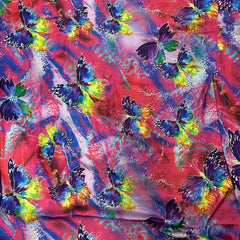
- For a statement piece: the Galaxy Digital Print Plush Velvet is a medium-to-heavy 290gsm plush velvet with a 50,000 Martindale rub count, 148cm wide and reduced to £14.00 a metre (was £26.99). It's ideal for a showpiece cushion, footstool, bag or lampshade.
1. Cut everything with the pile running the same way
This is the golden rule. Decide which direction you want the pile to run, mark it on the wrong side of the fabric with chalk arrows, and lay every pattern piece facing the same way. Pile running up the garment gives a deeper, richer colour; pile running down feels smoother and wears a little better. Either is fine, as long as you're consistent. This "with nap" layout uses more fabric, so buy a little extra.
2. Cut one layer at a time
Folding velvet in half lets the two layers creep against each other, so your pieces come out slightly different sizes. Lay it out in a single layer, pile side down, and flip your pattern pieces over to cut the second side. Use sharp fabric scissors or a rotary cutter, and give the cut edges a shake over the bin to remove loose fibres before you sew.
3. Pin and stitch to stop the "walk"
- Pin generously within the seam allowance, or better still, hand-tack seams first. Unpicking can mark velvet, so it pays off.
- Use a walking foot if you have one. It feeds the top and bottom layers evenly.
- Reduce the presser foot pressure slightly and lengthen your stitch to around 3mm.
- Sew in the direction of the pile wherever you can, and use a fresh needle. For stretchy micro velvet, a stretch or ballpoint needle and a narrow zigzag help seams move with the fabric.
4. Never press velvet flat
An iron pressed straight onto velvet crushes the pile and leaves a shiny mark that's hard to remove. Instead:
- Press from the wrong side only, on a low to medium heat.
- Lay a spare piece of velvet or a thick towel pile side up on your ironing board, and place your fabric pile side down on top, so the piles nest instead of flattening.
- Use steam and hover the iron rather than pushing down. Finger-press seams open while they're still warm.
5. Finish seams neatly
Velvet sheds, so finish raw edges with an overlocker or a zigzag stitch. For a lined dress or a cushion with an envelope back, seams are hidden anyway, which makes these great first velvet projects.
Easy first velvet projects
- A simple cushion cover: half a metre of 150cm-wide furnishing velvet makes a 45cm cover.
- A slip skirt or wrap top: micro velvet's slight stretch makes simple shapes forgiving.
- A Christmas table runner: straight seams, big impact on the festive table.
Caring for your velvet makes
Always follow the care instructions for your specific fabric. Our Triple Micro Velvet can be machine washed at 30°C; turn the item inside out and avoid overloading the drum. Furnishing velvets marked dry clean only, like Bellissimo, are best spot cleaned and brushed gently with a soft clothes brush to lift the pile.
Ready to give velvet a go?
With the pile running one way, plenty of pins and a gentle hand with the iron, velvet is far easier than its reputation suggests. Pick your favourite from the velvets above, order a little extra for that one-way layout, and get started on your party season makes. If you have any questions about which velvet suits your project, just get in touch with the Bull Ring Fabrics team.