











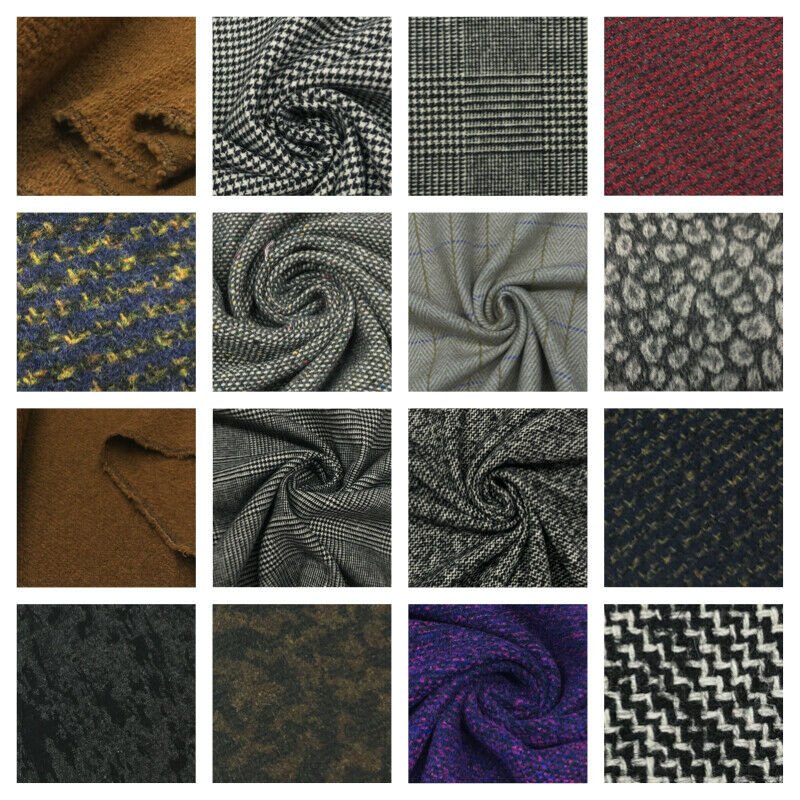
When the evenings draw in and the wind starts whistling under the door, a fabric draught excluder is one of the quickest and most satisfying things you can sew. It's a simple tube of fabric, stuffed and closed, that sits along the bottom of a door to block cold air. It takes an hour or two, uses a small amount of fabric, and is a brilliant way to use a heavier furnishing or coating fabric. Here's how to make one from start to finish.
What You'll Need
- A piece of medium to heavyweight fabric (see our picks below)
- Matching thread and a sewing machine (or a needle if you're happy hand-sewing)
- Filling: old pillow stuffing, cut-up old towels or fleece, or a mix
- Optional: a small inner bag of dry rice or lentils for weight
- Tape measure, fabric scissors, pins or clips
Choosing the Right Fabric
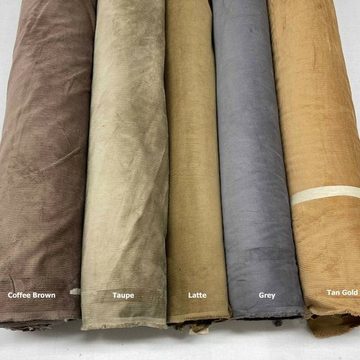
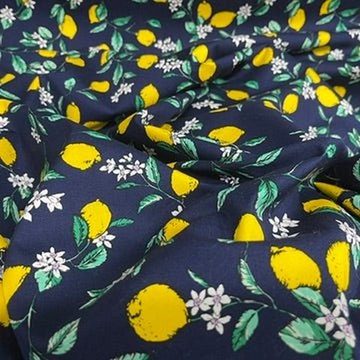
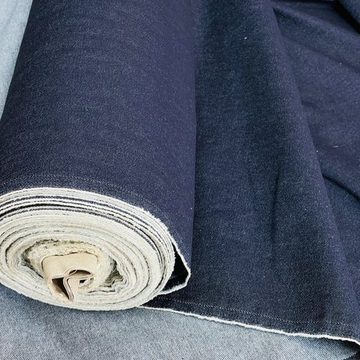
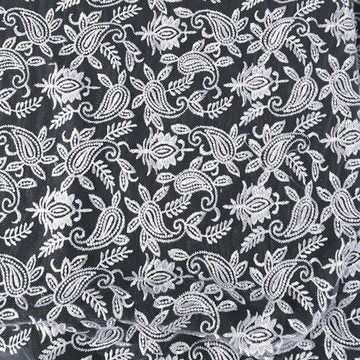
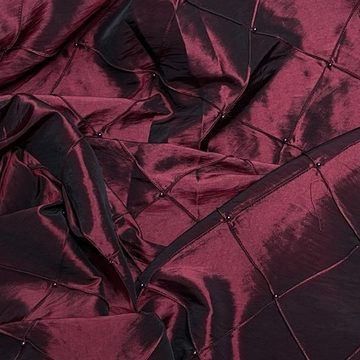
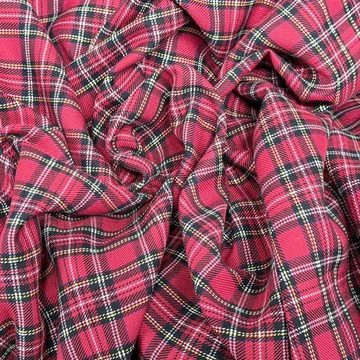
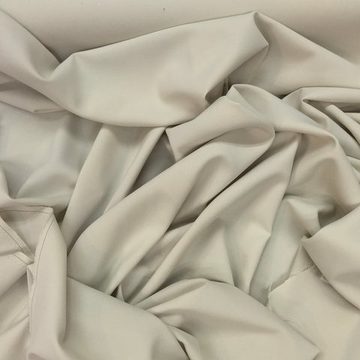
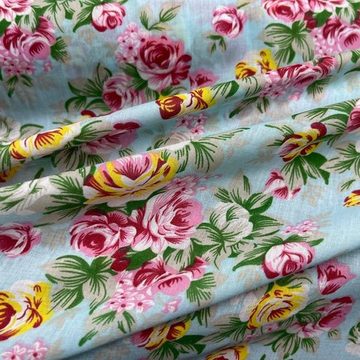
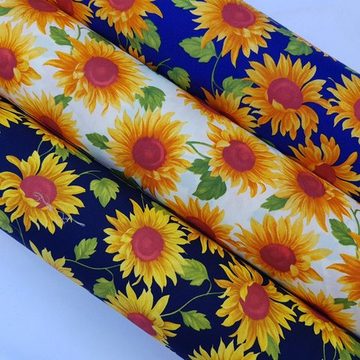
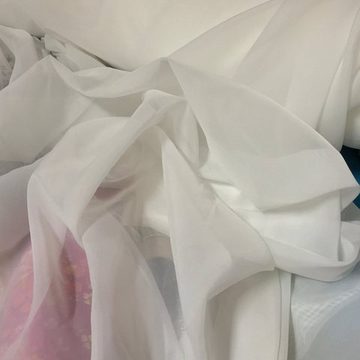
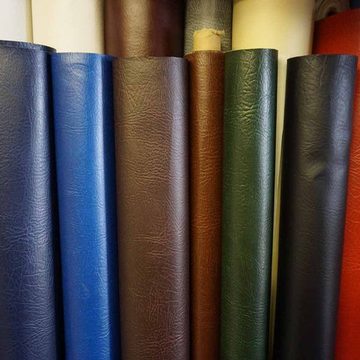
A draught excluder lives on the floor, gets nudged by feet and pets, and needs to hold its shape. That means a sturdy, tightly woven fabric works best. Thin cottons can look limp and wear through quickly, while furnishing weights, tweeds and flocked fabrics feel substantial and look smart in a hallway or living room.
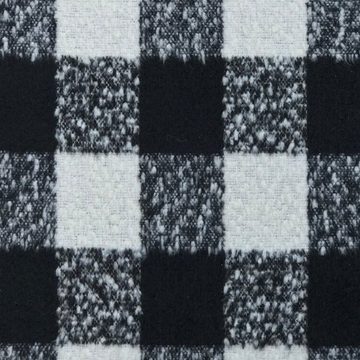
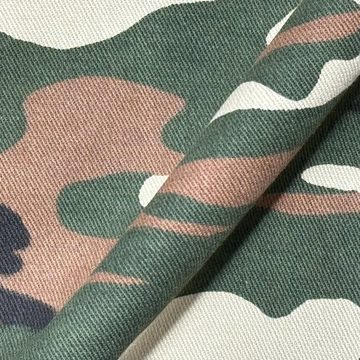
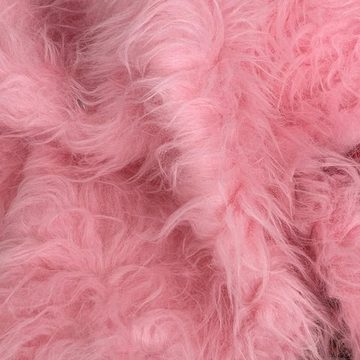
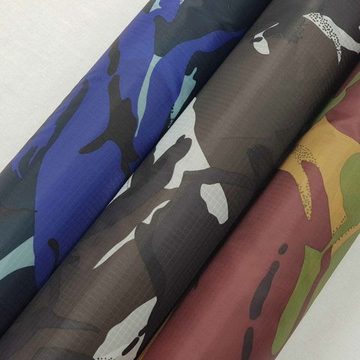
Our Designer Tweed Herringbone Wool Blend Melton Coating Fabric is a cosy choice with a proper winter feel. It's currently £7.99 per metre (was £11.99) and 150cm wide, with Black & White Checks, Herringbone ZigZag Black/White, Leopard Spots Furry Grey and Camo Print Brown in stock.
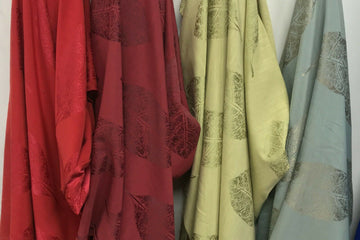
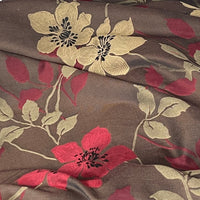
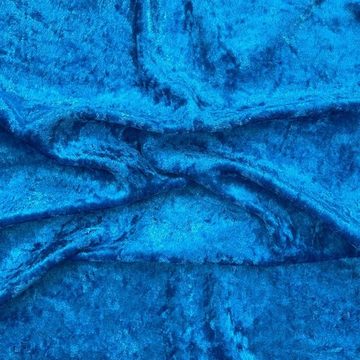
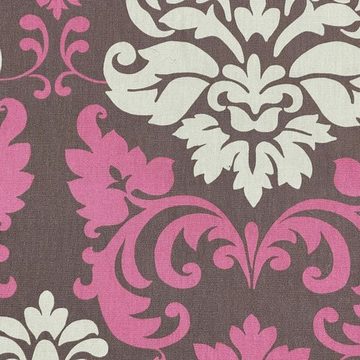
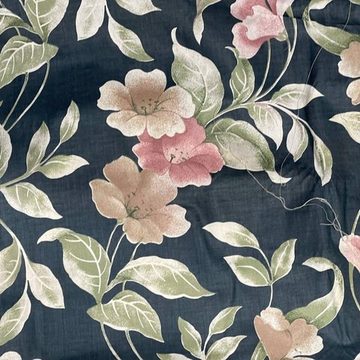
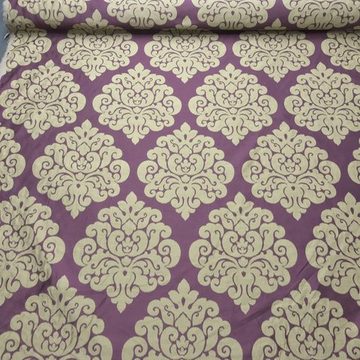
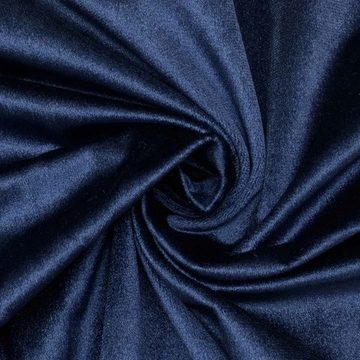
If you'd like your excluder to match your curtains or cushions, the Monaco Velvet Flock Cotton Panama Curtain Fabric is a lovely option at £6.99 per metre, available in Duck Egg Blue, Burgundy and Gold. For something richer, the Damask Velvet Floral Chenille Curtain Brocade Fabric in Brown (also £6.99 per metre) has a traditional look that suits period homes.
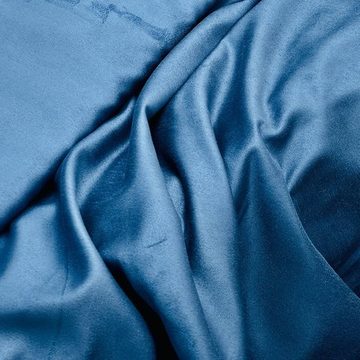
Prefer a clean, plain finish? The Plain Madagascar Curtain Fabric in Teal (£8.99) is a heavy upholstery-weight plain that's easy to sew and adds a pop of colour.
Step 1: Measure Your Door
Measure the width of the door you want to protect and add around 4cm for seam allowances. For the depth of your fabric piece, around 30cm gives a nicely plump tube once it's sewn and stuffed. Go a little narrower for a slimmer excluder, or wider for a chunkier one.
Handy tip: because these fabrics are 137–150cm wide, you can cut strips across the width. A single metre will often give you enough for two or three excluders, so it's worth making extras for other doors or as gifts.
Step 2: Cut and Pin
Cut your rectangle, keeping the pattern straight if your fabric has a check or stripe. Fold it in half lengthways with the right sides facing each other, so the pattern is on the inside. Pin or clip along the long open edge and across one short end.
Step 3: Sew the Tube
Stitch along the long edge and one short end with a 1–2cm seam allowance, backstitching at the start and finish. For heavier fabrics like tweed or brocade, use a longer stitch length and a slightly stronger needle so the machine feeds smoothly. Trim the corners at the closed end to reduce bulk, then turn the tube right side out and push the corners out neatly.
Step 4: Fill It Up
This is where you can be resourceful. Old pillow stuffing gives a soft, light excluder. Rolled-up old towels or fleece make it denser. For extra weight so it stays put on hard floors, sew a small inner bag from scrap fabric, fill it with dry rice or lentils, and tuck it into the middle of the tube with stuffing either side.
Fill it firmly but not so tightly that it becomes stiff. A little give helps it sit snugly against the floor and the bottom of the door.
Step 5: Close the End
Fold the raw edges of the open end inwards by about 1.5cm, pin them together, and either topstitch across by machine or slip stitch by hand for an invisible finish. That's it, your draught excluder is ready to use.
Finishing Touches
- Add a loop: sew a small fabric loop at one end so you can hang it on a hook when it's not needed.
- Make it washable: add a zip or envelope opening at one end so the cover can come off for washing.
- Go novelty: add felt ears and a tail to turn it into a sausage dog, a great project to make with children.
Keep the Cold Out This Winter
A homemade draught excluder is practical, inexpensive and looks far nicer than most shop-bought versions, especially when it's made to match your room. Browse our tweed, velvet flock and furnishing fabrics to find the perfect piece, and with our fast 48-hour delivery you could be sewing your first one this weekend. If you have any questions about which fabric to choose, our live chat team is here 24 hours a day to help.