





The best fabric for dressmaking depends on the garment you're making, the season, and your sewing experience. A floaty summer dress, a structured prom gown and a stretchy dancewear piece all need very different fabrics. This guide explains the main dress fabrics, what they're best for, and which are easiest to sew.
Best dress fabrics for beginners
If you're new to dressmaking, start with stable, woven fabrics that don't slip or stretch as you sew:
- Cotton poplin – crisp, smooth and easy to cut, press and stitch. Perfect for summer dresses, shirts, skirts and children's clothing. Our Rose & Hubble poplins are 100% cotton.
- Polycotton – a cotton-polyester blend that creases less than pure cotton and is very affordable. Great for practice garments, kids' dresses, costumes and school projects.
- Cotton muslin – the classic fabric for making a toile (a test version of a garment) before cutting into more expensive fabric.
Floaty and drapey fabrics for summer dresses
- Viscose – soft, breathable and fluid, viscose is ideal for maxi dresses, blouses and wrap skirts. It can shift while cutting, so use plenty of pins or pattern weights.
- Chiffon and crepe – lightweight fabrics with beautiful movement for blouses, eveningwear, overlays and scarves. Chiffon is sheer, so plan for a lining.
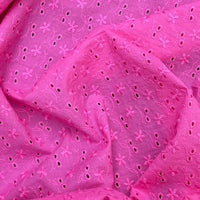
- Broderie anglaise – embroidered cotton with a pretty cut-out pattern, a summer favourite for dresses, tops and children's clothing.
Occasionwear, bridal and evening dresses
- Satin – smooth and lustrous, satin suits bridesmaid dresses, evening gowns, linings and slip dresses.
- Taffeta – crisp with a subtle rustle, taffeta holds volume well, making it ideal for prom dresses, ball gowns and full skirts.
- Lace – from delicate bridal laces to corded guipure, lace adds elegance as an overlay, sleeves or trim.
- Net and tulle – for tutus, petticoats, veils and adding volume under skirts.
- Sequin fabric – for party dresses, dancewear and stage costumes that need to sparkle.
Stretch fabrics for dancewear and fitted styles
Lycra, spandex and jersey stretch to move with the body, making them the go-to fabrics for dancewear, swimwear, leggings and bodycon dresses. Use a stretch or ballpoint needle and a stretch stitch on your machine.
Cooler-weather dresses and tailoring
- Wool blends – warm and structured for pinafores, skirts, coats and jackets.
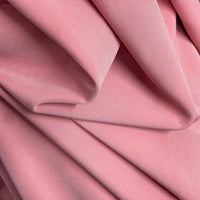
- Crushed velvet – rich texture for winter party dresses and costumes.
- Denim and chambray – hard-wearing cottons for shirt dresses, pinafores and casual wear.
How much fabric do I need for a dress?
Always check your sewing pattern, as it will list exact amounts for each size and fabric width. As a very rough guide, a simple sleeveless dress in a 150cm-wide fabric often needs around 2–2.5 metres, while a full-length gown or a dress with a full skirt and sleeves needs noticeably more. Buy a little extra for pattern matching or directional prints.
Dressmaking tips
- Pre-wash washable fabrics before cutting to allow for any shrinkage.
- Use the right needle: universal for wovens, microtex for fine fabrics, ballpoint for knits.
- Test your stitch and iron temperature on a scrap first, especially with satin, chiffon and synthetics.
Buy dress fabric by the metre
Explore our full range of dress fabrics, all cut to order from the roll. Choose your quantity in metres, order before 10pm Monday to Friday for same-day dispatch, and get free UK delivery on orders over £65.