




There are hundreds of fabrics to choose from, and the names can be confusing – is crepe the same as chiffon? What makes velvet different from velour? This A–Z guide explains the most common types of fabric, what each one is made from, how it feels and what it is best used for, so you can pick the right material for your next project.
Natural, synthetic and blended fabrics
Every fabric starts with a fibre. Natural fibres such as cotton, linen, wool and silk come from plants or animals; they breathe well and are comfortable to wear. Synthetic fibres such as polyester, nylon, acrylic and elastane are man-made; they are hard-wearing, crease-resistant and usually cheaper. Blends such as polycotton or wool blends combine the two to get the best of both. How the fibres are then woven, knitted or pressed together gives each fabric its name and character.
Types of fabric A–Z
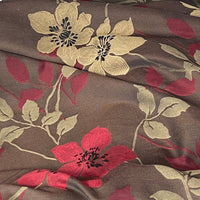
Brocade
A heavy, richly patterned woven fabric where the design is woven in rather than printed, often with a raised or metallic effect. Used for curtains, upholstery, cushions and statement outfits. Browse curtain brocades and Chinese brocades.
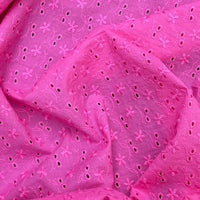
Broderie anglaise
A cotton fabric with embroidered eyelet holes, traditionally white. Light and pretty, it is perfect for summer dresses, blouses, children's clothing and trims. See our broderie anglaise cotton.
Chiffon
A sheer, lightweight fabric with a soft, floaty drape, usually made from polyester. Ideal for overlays, scarves, sleeves and evening wear. Find it in our chiffon and crepe range.
Corduroy
A durable woven cotton with raised vertical ribs ("wales"). Warm and hard-wearing, it suits trousers, jackets, skirts and cushions. Shop corduroy fabric.
Cotton
The world's most popular natural fibre: soft, breathable, easy to sew and easy to wash. Cotton comes in many weaves, including poplin, lawn, drill, canvas and muslin. See all cotton fabric.
Cotton poplin
A smooth, closely woven cotton with a crisp handle. It holds a seam and presses well, making it the favourite for quilting, patchwork, shirts and summer dresses. Our Rose & Hubble cotton poplin range is especially popular.
Crepe
A fabric with a slightly crinkled, textured surface and a fluid drape. Crepe resists creasing and flatters the figure, so it is widely used for dresses, blouses and occasionwear.
Denim
A sturdy cotton twill, traditionally dyed indigo blue, with a diagonal weave. Used for jeans, jackets, skirts, bags and upcycling projects. Shop denim fabric.
Drill
A strong cotton twill similar to denim but usually plain-dyed. Great for workwear, uniforms, trousers, bags and camouflage costumes. See drill cotton.
Faux fur
A synthetic pile fabric made to look and feel like animal fur, in short or long pile. Used for coats, collars, costumes, soft toys, throws and cushions. Shop faux fur fabric.
Faux leather (leatherette)
A vinyl or PU-coated fabric that looks like leather but is cheaper, easy to wipe clean and animal-free. Popular for upholstery, headboards, bags and car interiors. See faux leather fabric.
Felt
A non-woven fabric made by pressing fibres together. Because it does not fray, felt is ideal for children's crafts, appliqué, toys, decorations and card tables. Shop craft felt.
Fleece
A soft, warm, lightweight knitted polyester with a brushed surface. Anti-pill polar fleece is used for blankets, hoodies, hats, scarves and pet beds. Shop polar fleece.
Hessian (burlap)
A coarse, natural fabric woven from jute. Rustic and strong, it is used for sacks, wedding décor, table runners, plant wraps and crafts. See hessian fabric.
Jersey
A soft knitted fabric with natural stretch, used for T-shirts, tops, leggings and easy-wear dresses. See our stretch fabrics.
Lace
An open, decorative fabric with patterns created by embroidery or looping threads, often on a net base. Used for bridal wear, evening dresses, lingerie and trims. Shop lace fabric and bridal fabric.
Lamé
A fabric woven or knitted with metallic threads for a high-shine finish. A favourite for stage costumes, dancewear and party outfits. See lamé.
Linen
A natural fibre made from flax, with a characteristic slubbed texture. Cool and breathable, linen and linen-look fabrics are popular for curtains, blinds, cushions and summer clothing. Shop linen fabric.
Lycra (spandex, elastane)
A highly elastic synthetic fibre, usually blended with nylon or polyester to make four-way stretch fabric. Essential for dancewear, gymnastics leotards, swimwear and activewear. Shop Lycra.
Muslin
A loosely woven, lightweight cotton. Soft and breathable, it is used for baby wraps, toiles (test garments), cheesecloth, crafts and light curtains. See muslin fabric.
Net and tulle
Fine, open mesh fabrics. Soft tulle is used for veils, tutus and overlays; stiffer dress net adds volume to petticoats and underskirts. Shop net and tulle.
Organza
A thin, sheer fabric with a crisp handle and a slight sheen. Used for bridal overlays, draping, chair sashes, gift bags and event décor. Shop organza.
Polycotton
A blend of polyester and cotton. It creases less than pure cotton, is easy to wash and is usually cheaper – ideal for school projects, bunting, bedding and costumes. See polycotton fabric and our cotton vs polycotton guide.
PVC (oilcloth)
A fabric with a waterproof plastic coating. Wipe-clean PVC is perfect for tablecloths, aprons, bags and outdoor use. Shop PVC tablecloth fabric.
Ripstop
A lightweight woven nylon or polyester with a reinforced grid that stops tears spreading. Used for kites, bags, tents, covers and outdoor gear. See ripstop fabric.
Satin
A smooth fabric with a glossy face and a dull back, created by its weave. Used for evening and bridal wear, linings, cushions and draping. Shop satin fabric.
Sequin fabric
A base fabric (usually net or jersey) covered in sewn-on sequins for maximum sparkle. Used for party dresses, dancewear and costumes. Shop sequin fabric.
Suede and suedette
Faux suede has a soft, brushed nap like real suede. It is used for upholstery, jackets, bags and car door cards. See suede fabric.
Taffeta
A crisp, smooth woven fabric that rustles as it moves, often with a two-tone "shot" effect. Used for ball gowns, prom and bridesmaid dresses and costumes. Shop taffeta.
Tapestry
A heavy, jacquard-woven furnishing fabric with a detailed woven picture or pattern. Very hard-wearing, it is used for sofas, chairs, cushions and bags. Shop tapestry fabric.
Tartan
A pattern of criss-crossed horizontal and vertical stripes in several colours, woven in wool, polyviscose or cotton. Used for kilts, skirts, scarves and coats. See tartan and check fabric.
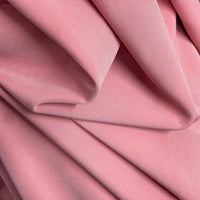
Velvet and velour
Velvet is a woven fabric with a short, dense pile that gives a soft, luxurious feel; velour is its knitted, stretchier cousin. Used for curtains, upholstery, evening wear and costumes. Shop plush velvet and crushed velvet.
Viscose
A semi-synthetic fibre made from wood pulp. It is soft and silky with a beautiful drape, and breathes like cotton – ideal for summer dresses, blouses and trousers. Shop viscose fabric.
Voile
A soft, sheer, lightweight fabric used mainly for net curtains and window dressing, as well as light summer garments. Shop voile and curtain fabric.
Wool and wool blends
Wool is warm, naturally crease-resistant and holds its shape. Wool blends add polyester or viscose for strength and a lower price. Used for coats, jackets, suits and skirts. Shop wool blend fabric.
How to choose the right type of fabric
- Start with the project. Garments need drape and comfort; furnishings need strength; crafts need fabric that is easy to cut and sew.
- Check the weight. Light fabrics (voile, chiffon, lawn) float and drape; heavy fabrics (tapestry, velvet, drill) are structured and hard-wearing.
- Check the stretch. Fitted clothing and dancewear need stretch; most furnishing and quilting projects do not.
- Think about care. Cotton and polycotton wash easily; velvet, taffeta and lamé may need gentler care.
- Order a swatch. Many of our fabrics have a swatch option so you can check colour and feel first.
Still unsure? Read our project guides to the best fabric for dressmaking, curtains, upholstery and quilting and crafts, or find out how much fabric you need.